


Top Tools for Cleaning Game Cartridges
When your retro game cartridges stop working due to dirt or oxidation, the right tools can make all the difference. Here's a quick guide to cleaning them safely and effectively:
- 91% Isopropyl Alcohol: The best choice for cleaning connectors without leaving residue. Costs $2–$5 at most stores.
- Cotton Swabs (Paper Shafts): Perfect for applying alcohol to connectors without scratching. A pack of 100 costs $2–$4.
- Nintendo Tri-Wing Screwdriver: Essential for opening cartridges for internal cleaning. Priced at $5–$10.
- Pencil Erasers: Great for removing light oxidation on metal pins. Gentle and affordable at $0.50–$2.
- Soft-Bristled Toothbrush: Ideal for cleaning textured surfaces and plastic cases without causing damage. Costs $1–$5.
- Melamine Sponges (Magic Erasers): Effective for tougher grime and oxidation. A pack costs $5–$10.
- DeoxIT or Contact Cleaners: Powerful for removing stubborn oxidation. Prices range from $6–$20.
- Brass/Copper Polish: For heavy corrosion, use sparingly and follow up with alcohol. Costs $3–$7.
- Goo Gone: Removes sticker residue from cartridge shells but avoid labels. Priced at $4–$8.
Pro Tip: Avoid water-based cleaners, steel wool, or sandpaper below 1,000 grit to prevent damage. Always let cartridges dry completely before use.
Game Cartridge Restoration - The Ultimate Guide! | Nintendrew
Basic Tools Every Retro Gamer Needs
Having the right tools on hand is key to keeping your retro game collection in top shape. A basic cleaning kit can handle most tasks safely and effectively.
Start with 91% isopropyl alcohol. This high-purity alcohol evaporates quickly without leaving residue, making it perfect for cleaning electronic contacts. You can find 16-ounce bottles at stores like Walmart, CVS, or Walgreens for about $2–$5. Avoid the more common 70% concentration, as its higher water content can lead to oxidation and reduce its cleaning power .
Next, stock up on cotton swabs with paper shafts. These are ideal for applying alcohol to contacts. Paper-shafted swabs are sturdier during cleaning and less likely to leave fibers behind compared to plastic ones. A pack of 100 typically costs $2–$4 .
A Nintendo Tri-Wing screwdriver (3.8mm) is another must-have. This tool is essential for opening retro game cartridges like NES, SNES, N64, and Game Boy, giving you access to the internal circuit board and contacts for deep cleaning. These screwdrivers are widely available for $5–$10 .
For light oxidation on cartridge contacts, a clean pencil eraser works wonders. Its gentle abrasive surface can remove discoloration that interferes with electrical connections. Just be cautious not to press too hard, as you could damage the metal contacts .
A soft-bristled toothbrush rounds out your basic kit. It’s perfect for cleaning cartridge cases and reaching into textured surfaces that cotton swabs might miss. The soft bristles ensure thorough cleaning without scratching .
Other helpful additions include microfiber cloths for final polishing and gloves to prevent oils from your fingers from contaminating freshly cleaned contacts .
If you prefer an all-in-one solution, consider dedicated cartridge cleaning kits from companies like Mega Cat Studios and 1UPcard. These kits often include essentials like 100 wooden cotton swabs and a bottle of high-purity isopropyl alcohol, providing enough supplies to clean numerous cartridges .
For retro gamers seeking a more specialized selection, BJ's Game Vault offers a variety of tools and materials tailored for maintaining vintage game cartridges. They also feature custom cartridges and other retro gaming products.
Up next, we’ll delve into advanced tools for handling tougher cleaning challenges.
Professional Tools for Heavy-Duty Cleaning
When basic cleaning methods just aren’t enough, professional-grade tools step in to tackle severe oxidation and grime. These tools are designed to handle what alcohol and swabs can’t. Let’s break down some of the top tools for restoring cartridges to their former glory.
DeoxIT is a go-to contact cleaner made specifically for delicate electronic components. Priced around $15–$20 for a small bottle or aerosol can, it features an applicator straw for precise application, allowing you to target heavily corroded cartridge pins with ease. It’s especially effective when dealing with stubborn oxidation.
Melamine sponges - commonly recognized as Magic Erasers - are another powerful ally in cartridge cleaning. These sponges have an abrasive texture rated between 3,000 and 5,000 grit, making them perfect for removing tough oxidation. A multi-pack costs about $5–$10 and can clean dozens of cartridges. For best results, use a drop of DeoxIT and gently rub the affected areas with the sponge to lift the oxidation without damaging the pins.
CRC electronic contact cleaners are another excellent option. These cleaners dissolve grime and oxidation while being safe for plastic components. They’re widely available and typically cost $8–$15 per can.
For extreme corrosion, metal polishes like Brasso or Brite Boy can work wonders. These products, priced at $5–$10 per bottle, can restore heavily tarnished contacts. However, they should be used sparingly. Ammonia-based polishes, in particular, can degrade brass if overused, so caution is key.
High-grit sandpaper (1,000 grit or higher) is the most aggressive option for cleaning. It’s reserved for cases of extreme corrosion and should be used with minimal pressure to avoid damaging the contacts. Always follow up with isopropyl alcohol to remove any residue left behind.
For opening cartridges and performing detailed cleaning, specialized screwdriver tips are essential. These tips are designed to work with different systems and go beyond the basic tri-wing screwdriver. Many professional cleaning kits include a variety of these tips to ensure compatibility across various retro gaming systems.
If you’re looking for professional-grade tools tailored to retro gaming, check out BJ's Game Vault, which offers a curated selection of cleaning supplies specifically for cartridge restoration.
When using these tools, always start with the gentlest method and only move to more abrasive options if necessary. After cleaning, ensure your cartridges are completely dry - especially when using chemical cleaners - before reassembling and testing them. These advanced tools are the perfect addition to your basic cleaning kit for thorough cartridge care.
1. Isopropyl Alcohol (91% Purity)
When it comes to cleaning retro game cartridges, 91% isopropyl alcohol is a must-have. This high-purity solution is widely regarded as the top choice for cleaning cartridge connectors, effectively tackling oxidation and grime without leaving behind moisture that could lead to corrosion.
Why It Works for Cartridge Connectors
The low water content in 91% isopropyl alcohol ensures it evaporates quickly, leaving no lingering moisture that might harm sensitive metal contacts. It's a trusted option among technicians for cleaning electronic components, restoring conductivity even on heavily tarnished cartridge pins.
Safe for Cartridges, But Watch the Labels
While it’s safe for cleaning metal connectors and plastic surfaces, extra care is needed around labels. Older cartridge labels, in particular, can fade if rubbed too vigorously during cleaning.
Simple to Use
To clean cartridge pins, soak a paper-shafted cotton swab in 91% isopropyl alcohol and gently rub the pins. Rotate the swab as you work until all dirt is removed. Its quick-drying nature means you can move on to testing the cartridge in no time.
Easy to Find and Affordable
You can find 91% isopropyl alcohol at most major U.S. retailers like Walmart and CVS, as well as online platforms like Amazon. It’s typically sold in 16 oz or 32 oz bottles, with prices ranging from $2 to $5 per bottle. For such a small investment, it delivers excellent results, making it an essential part of any cartridge cleaning kit.
For those looking for retro gaming-specific supplies, BJ's Game Vault offers cleaning kits and tools tailored to vintage cartridge care.
2. Cotton Swabs with Paper Shafts
Cotton swabs with paper shafts are a reliable choice for cleaning those hard-to-reach cartridge slots and connector pins. Unlike plastic-shaft swabs, the paper shafts keep the cotton tips firmly in place, ensuring they don’t come loose during the cleaning process.
Effectiveness in Cleaning Cartridge Connectors
When it comes to removing dirt, oxidation, and residue from cartridge connectors, cotton swabs with paper shafts get the job done without scratching delicate surfaces. To achieve the best results, moisten the swab with 91% isopropyl alcohol (refer to Section 1). The cotton tips are soft enough to mold to the shape of the connectors, allowing you to apply gentle but effective pressure. This non-abrasive material is a safer alternative to harsher cleaning tools that could damage the contacts.
Interestingly, this method isn’t exclusive to retro gaming. Computer technicians use the same approach - cotton swabs and high-purity isopropyl alcohol - to clean sensitive electronic contacts on expansion boards, proving its reliability for delicate electronics.
Safety for Retro Game Cartridges and Labels
The paper shafts bring an added layer of safety for your retro game cartridges. Accidentally pressing the shaft against labels or plastic surfaces won’t leave scratches or gouges, which is a risk with harder plastic shafts. This is especially important for vintage cartridges with irreplaceable labels.
Additionally, paper shafts are less prone to snapping under pressure, reducing the chance of damaging fragile cartridge components. They also lack any chemicals that could react with cartridge materials, making them a neutral and safe cleaning tool for preserving your collection.
Ease of Application and Use
Using these swabs is simple, even for first-timers. Start by saturating the cotton tip with 91% isopropyl alcohol, then insert it into the cartridge slot and gently rub the contact pins back and forth. Rotate the swab as needed to ensure thorough cleaning.
The key is to use gentle pressure - enough to clean but not so much that you risk bending pins or leaving cotton fibers behind. The process is intuitive, and you’ll see immediate results as tarnished pins regain their shine.
Availability and Affordability
Cotton swabs with paper shafts are easy to find at major U.S. retailers like Walmart, Target, and local drugstores. Trusted brands like Q-Tips are widely available and budget-friendly, typically priced between $2 and $5 for a box of 170 to 500 swabs. With such affordability, a single box can clean hundreds of cartridges, making it a cost-effective tool for retro gaming enthusiasts.
For those looking for specialized supplies, BJ’s Game Vault offers cleaning kits tailored specifically for vintage cartridge maintenance. It’s a convenient option for anyone serious about preserving their retro gaming collection.
3. Nintendo Tri-Wing Screwdriver (3.8mm)

The Nintendo Tri-Wing Screwdriver (3.8mm) is specifically designed to tackle the security screws found in Nintendo game cartridges, including those for the NES, SNES, N64, and Game Boy systems. Unlike standard tools that merely clean external surfaces, this screwdriver allows you to fully open the cartridges, making internal cleaning and maintenance possible. It’s the key to moving beyond surface-level cleaning to ensure your games are in top working condition.
Effectiveness in Cleaning Cartridge Connectors
By using the 3.8mm Tri-Wing Screwdriver, you can access the internal connectors and circuit board of a cartridge. This makes it easier to remove stubborn dirt, grime, or corrosion that might be interfering with the cartridge's performance.
Safety for Retro Game Cartridges and Labels
When handled properly, this tool safely removes the security screws without causing damage to the cartridge shell or its labels. Using the right screwdriver prevents common issues like stripped screws or cracked casings, ensuring your cartridges remain intact and undamaged during disassembly and reassembly.
Ease of Application and Use
Using the Tri-Wing Screwdriver is straightforward. Insert the tip into the screw, apply steady pressure, and turn. With most cartridges having only three to five screws, disassembly is quick and simple. For a thorough cleaning, open the cartridge, take note of the PCB’s orientation, clean the connectors with isopropyl alcohol and cotton swabs, and reassemble carefully. Always ensure the screwdriver is firmly seated in the screw to avoid stripping it.
Availability and Affordability
You can find the 3.8mm Tri-Wing Screwdriver at online retailers, electronics stores, and retro gaming specialty shops throughout the United States. Prices usually range from $5 to $15 USD, making it an affordable and essential addition to any retro gamer’s toolkit. For reliable tools, BJ's Game Vault offers cleaning supplies and accessories specifically tailored to vintage cartridges, including quality Tri-Wing screwdrivers. Up next, learn the best practices for safely cleaning your cartridges after disassembly.
4. Brass and Copper Polish
When dealing with heavy corrosion, brass and copper polish can be a practical solution. Products like Brasso and Brite Boy are often recommended for tackling severe oxidation that 91% isopropyl alcohol can't handle. These polishes are known to effectively remove stubborn tarnish and oxidation, helping restore electrical conductivity in damaged contacts. However, this approach should be reserved for situations where gentler cleaning methods have failed.
Cleaning Cartridge Connectors
If isopropyl alcohol falls short, brass and copper polishes can step in to address persistent corrosion. Many retro gaming enthusiasts have reported success in reviving NES and SNES cartridges using these products. Before-and-after results frequently show significant improvements in the connectors' appearance and functionality.
Protecting Labels and Plastic Components
Since these polishes can be abrasive and may contain ammonia, extra caution is necessary. To avoid damaging labels or plastic parts, cover them with masking tape and apply the polish only to the metal contacts.
How to Use
Using these polishes is straightforward. Apply a small amount to a cotton swab or soft cloth, then gently rub the metal contacts. Once polished, follow up with isopropyl alcohol to remove any residue, and allow the cartridge to dry completely before reassembling. Most experts emphasize that polishes should only be used as a last resort after trying less aggressive cleaning methods.
Where to Buy and Cost
Brass and copper polishes like Brasso and Brite Boy are easy to find at major U.S. retailers such as Walmart, Home Depot, and Amazon. A small bottle typically costs between $3 and $7, making them an affordable choice for addressing severe oxidation.
5. Electrical Contact Cleaner
Electrical contact cleaners, like popular options CRC and DeoxIT, are designed to remove oxidation and dirt from cartridge contacts without harming plastic components.
How It Cleans Cartridge Connectors
These cleaners excel at tackling tough grime and oxidation on cartridge pins. Unlike isopropyl alcohol, which may struggle with severe buildup, contact cleaners break down contaminants effectively and leave no residue behind. Many experienced users turn to these products for cartridges with significant oxidation issues.
Safe Use on Retro Game Cartridges and Labels
When using electrical contact cleaners, it’s essential to ensure the product is labeled as "plastic safe." Some formulations include solvents that could harm cartridge labels or plastic casings. To avoid accidental damage, test the cleaner on a small, hidden area first. Also, make sure you’re in a well-ventilated space during application.
Simple Application Process
Thanks to their aerosol design and precision tips, contact cleaners are easy to apply directly to the affected areas. This targeted application minimizes the need for scrubbing, reducing the risk of accidental damage. Plus, the cleaner evaporates quickly without leaving residue, making it an efficient option for preserving your retro gaming collection.
Affordable and Easy to Find
Not only are electrical contact cleaners effective, but they’re also widely accessible and reasonably priced. You can find them at electronics stores, hardware shops, and online retailers across the U.S. Brands like CRC Contact Cleaner and DeoxIT typically cost between $6 and $15 per can. Since one canister is enough to clean many cartridges, it’s a cost-effective choice for retro gaming enthusiasts.
sbb-itb-9a4764e
6. WD-40
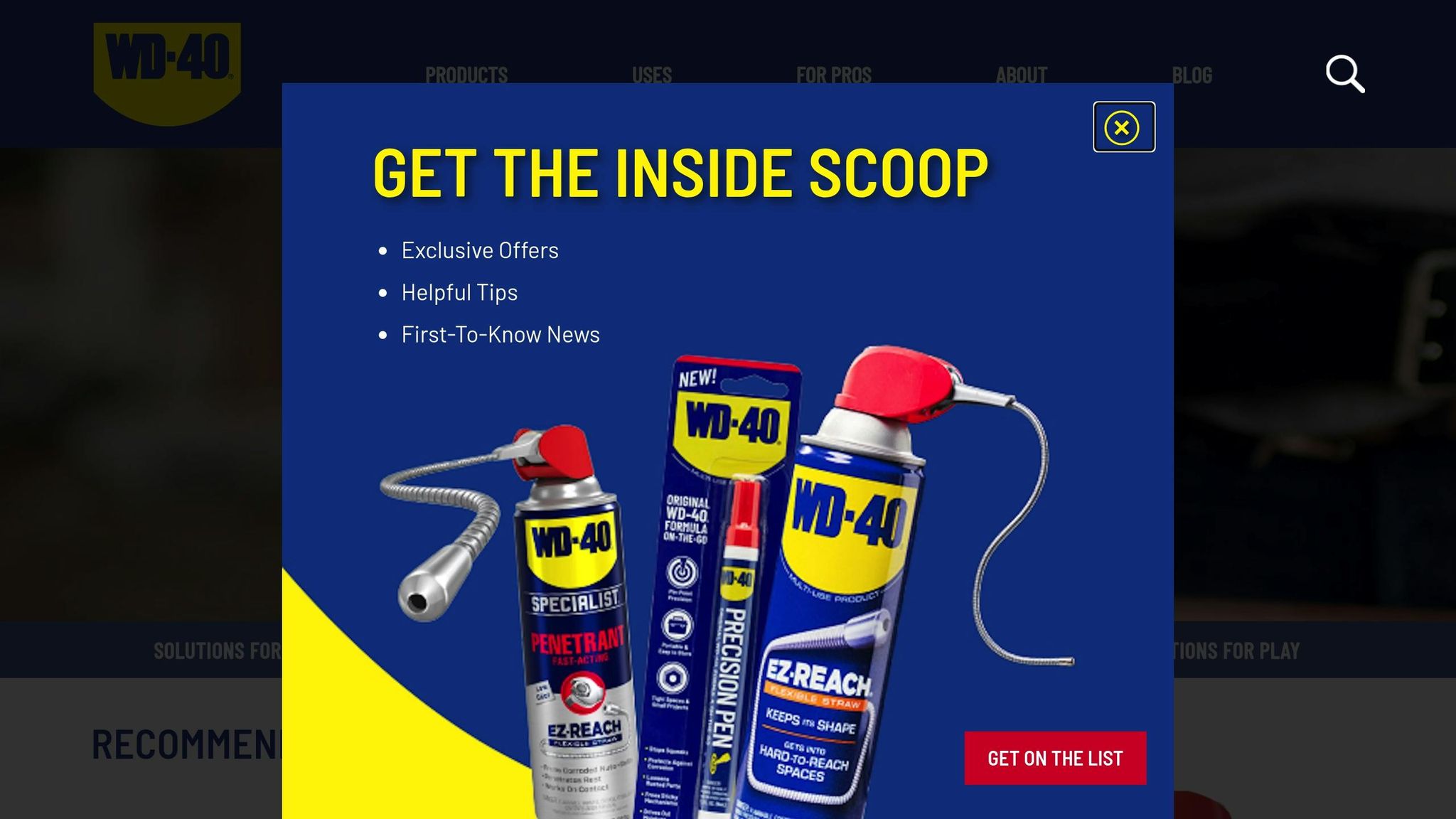
WD-40 sparks debate within the retro gaming community. While some enthusiasts praise its ability to clean cartridge connectors, most experts recommend safer alternatives.
Effectiveness in Cleaning Cartridge Connectors
WD-40 can remove grime and oxidation from cartridge pins, but it’s not specifically designed for electronics. As a water-displacing spray and lubricant, it wasn’t created with game cartridges in mind. Some users have noted that it provides a longer-lasting clean compared to isopropyl alcohol, potentially reducing the frequency of cleaning sessions. However, it comes with a downside: WD-40’s formula can leave a residue. This film may attract dust over time and interfere with electrical connections, which could lead to performance issues.
Safety for Retro Game Cartridges and Labels
One major concern with WD-40 is its potential to damage the plastic casings and labels of retro game cartridges. The solvents in the spray can cause certain plastics to become brittle or cloudy, and they may smear or degrade printed labels - an especially troubling issue for rare or collectible cartridges. If WD-40 accidentally comes into contact with your cartridge, it’s crucial to act quickly. Clean the affected area with 91% isopropyl alcohol using a cotton swab, then dry it thoroughly to minimize any long-term effects.
Ease of Application and Use
The spray nozzle on a WD-40 can makes it easy to over-apply, which can be risky for sensitive areas. If you decide to use it despite the potential drawbacks, avoid spraying directly onto the cartridge. Instead, apply a small amount to a cotton swab and use it to clean the pins. Follow up by wiping away any excess immediately. Always ensure the cartridge is completely dry before reinserting it into your console.
Availability and Affordability
WD-40 is widely available across the U.S., found in hardware stores, supermarkets, and online. A standard can usually costs between $5 and $10, making it an inexpensive option. However, given its risks, it’s best to reserve WD-40 for extreme cases when no safer alternatives are available. For routine cleaning, isopropyl alcohol is not only cheaper per use but also much safer for your cartridges. Dedicated contact cleaners, while slightly more expensive, are specifically designed for electronics and provide a better, safer cleaning experience.
Experts at BJ's Game Vault emphasize using 91% isopropyl alcohol or dedicated contact cleaners as the go-to options for maintaining your retro game cartridges. These solutions are safer, more effective, and far less likely to cause damage.
7. Melamine Sponges (Magic Erasers)
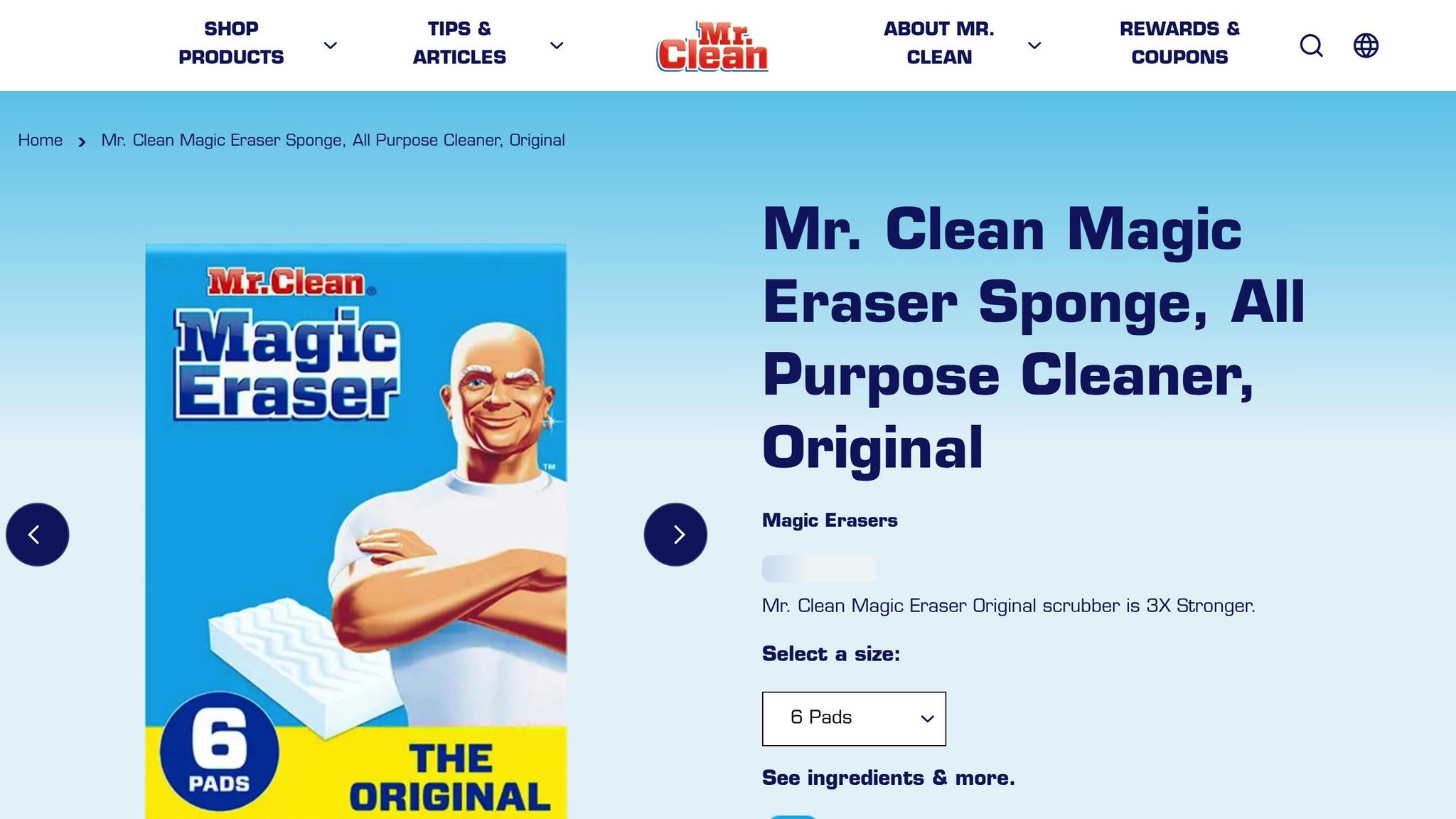
Melamine sponges are a handy tool for tackling tough grime and oxidation on retro game cartridge connectors. Unlike chemical cleaners that dissolve dirt, these sponges work by gently scrubbing away buildup, making them an excellent choice when cotton swabs and isopropyl alcohol just aren’t cutting it.
Effectiveness in Cleaning Cartridge Connectors
When it comes to removing corrosion, oxidation, and stubborn grime, melamine sponges are highly effective. With light pressure, they can restore the shine and conductivity of metal connectors without damaging the surface.
Safety for Retro Game Cartridges and Labels
Melamine sponges should be used carefully and only on metal connectors. Avoid using them on cartridge labels or stickers, as their abrasive texture can strip away ink and graphics, which might ruin collectible items. While they’re generally safe for metal when used gently, applying too much pressure or scrubbing excessively can harm the pins or surrounding plastic. If you plan to use them on plastic shells, always test on a small, hidden area first to ensure no damage occurs.
Ease of Application and Use
For best results, cut a small piece of the sponge and use it either dry or slightly damp (never soaking wet). Gently rub the metal contacts with even pressure until the grime is gone. Afterward, clean the area with a cotton swab dipped in 91% isopropyl alcohol to remove any leftover residue. Let the cartridge dry completely before using it again. This approach works well alongside other cleaning techniques to keep your cartridges in excellent condition.
Availability and Affordability
Melamine sponges are easy to find at major retailers like Walmart, Target, and Amazon. Multipacks typically cost between $5 and $10 for 10–20 sponges, which breaks down to about $0.50–$1.50 per sponge. Since each sponge can be cut into smaller pieces, they’re a budget-friendly option for repeated use. For those looking for more specialized cleaning kits, stores like BJ's Game Vault offer options tailored specifically for retro gaming enthusiasts.
8. Pencil Erasers
When it comes to maintaining vintage cartridge connectors, pencil erasers provide a simple, manual solution. These everyday items are surprisingly effective at removing oxidation and light corrosion from retro game cartridge connectors. Best of all, they do this without risking damage to your cherished cartridges.
How Pencil Erasers Work on Cartridge Connectors
Pencil erasers work by physically scrubbing away surface oxidation, dirt, and minor corrosion from the metal connectors. This ensures better electrical contact, which is crucial for your games to run smoothly. Many retro gaming fans recommend starting with an eraser before moving on to stronger cleaning methods like isopropyl alcohol or specialized contact cleaners.
Safe for Your Cartridges and Labels
One of the biggest advantages of using pencil erasers is their gentleness. They don’t rely on harsh chemicals, and their mild abrasive quality minimizes the risk of scratching the metal contacts. However, it’s important to clean only the metal parts and avoid rubbing the eraser on labels or plastic casings. Overzealous scrubbing on printed surfaces can lead to smudging or damage to the artwork. After cleaning, make sure to remove all eraser debris to prevent any residue from entering your console.
Simple and Easy to Use
Using a pencil eraser to clean cartridge connectors is as straightforward as it gets. All you need is a clean eraser and, if necessary, a screwdriver to open the cartridge. Gently rub a white eraser across the metal contacts, then use a soft brush or compressed air to clear away any leftover particles. For a final touch, you can use a cotton swab dipped lightly in isopropyl alcohol to remove any lingering residue. Since erasers don’t introduce moisture, there’s no waiting for the connectors to dry, making this method quick and hassle-free. It’s a great first step in a layered cleaning approach.
Affordable and Easy to Find
Pencil erasers are not only effective but also budget-friendly and widely available. You can find them at office supply stores, supermarkets, and online retailers across the U.S., typically priced between $0.50 and $2.00 each. For the best results, stick to clean, white vinyl or polymer erasers, such as those from Staedtler or Pentel. Avoid erasers with added abrasives or novelty designs, as these might damage the delicate connectors.
9. Soft-Bristled Toothbrushes
Soft-bristled toothbrushes are a simple yet effective tool for cleaning cartridge connectors. Their bristles can cover larger areas and reach tight spots, like those around connector pins, where cotton swabs often fall short.
Effectiveness in Cleaning Cartridge Connectors
The fine bristles of a soft toothbrush are excellent at loosening dirt, oxidation, and stubborn debris that other tools might miss. When combined with 91% isopropyl alcohol, they become especially effective for cleaning NES, SNES, and other retro cartridge connectors.
Many users have reported reviving unresponsive cartridges with this method. By gently brushing along the direction of the connector pins, you can often restore games to working condition on the first try. Avoid aggressive back-and-forth scrubbing, as controlled, gentle strokes yield better results and prevent damage. This approach pairs well with the other cleaning methods we've covered.
Safety for Retro Game Cartridges and Labels
Soft-bristled toothbrushes are generally safe for cartridge connectors when used correctly. Their gentle bristles minimize the risk of scratching, but care is needed to protect the labels. Preserving the artwork is just as important as fixing the cartridge itself.
Avoid vigorous scrubbing or using a wet brush, as moisture can damage or lift labels, especially if they're old or peeling. Stick to dry brushing or use only a slightly damp brush, steering clear of the label area. Focus your efforts on the metal connectors and keep the printed artwork untouched.
Ease of Application and Use
Using a soft-bristled toothbrush for cartridge cleaning is straightforward, even for beginners. The familiar handle design offers excellent control, allowing you to apply just the right amount of pressure. Children's toothbrushes, with their smaller heads and softer bristles, are particularly handy for accessing tight spaces inside cartridge slots.
For the best results, use short, controlled strokes and keep moisture to a minimum to prevent it from seeping into the cartridge. After brushing, wipe the area with a dry cloth or cotton swab to clear away any remaining debris. Since only minimal moisture is used, there's usually no need to wait for the cartridge to dry.
Availability and Affordability
Soft-bristled toothbrushes are easy to find at drugstores, supermarkets, and online retailers throughout the U.S. They’re also budget-friendly, typically priced between $1.00 and $5.00, making them an economical addition to your cartridge cleaning toolkit.
To avoid cross-contamination, designate a toothbrush exclusively for cartridge cleaning. Look for ones labeled "soft" to ensure they’re gentle enough for the job, and you’ll have a reliable cleaning tool that won’t break the bank.
10. Goo Gone Adhesive Remover
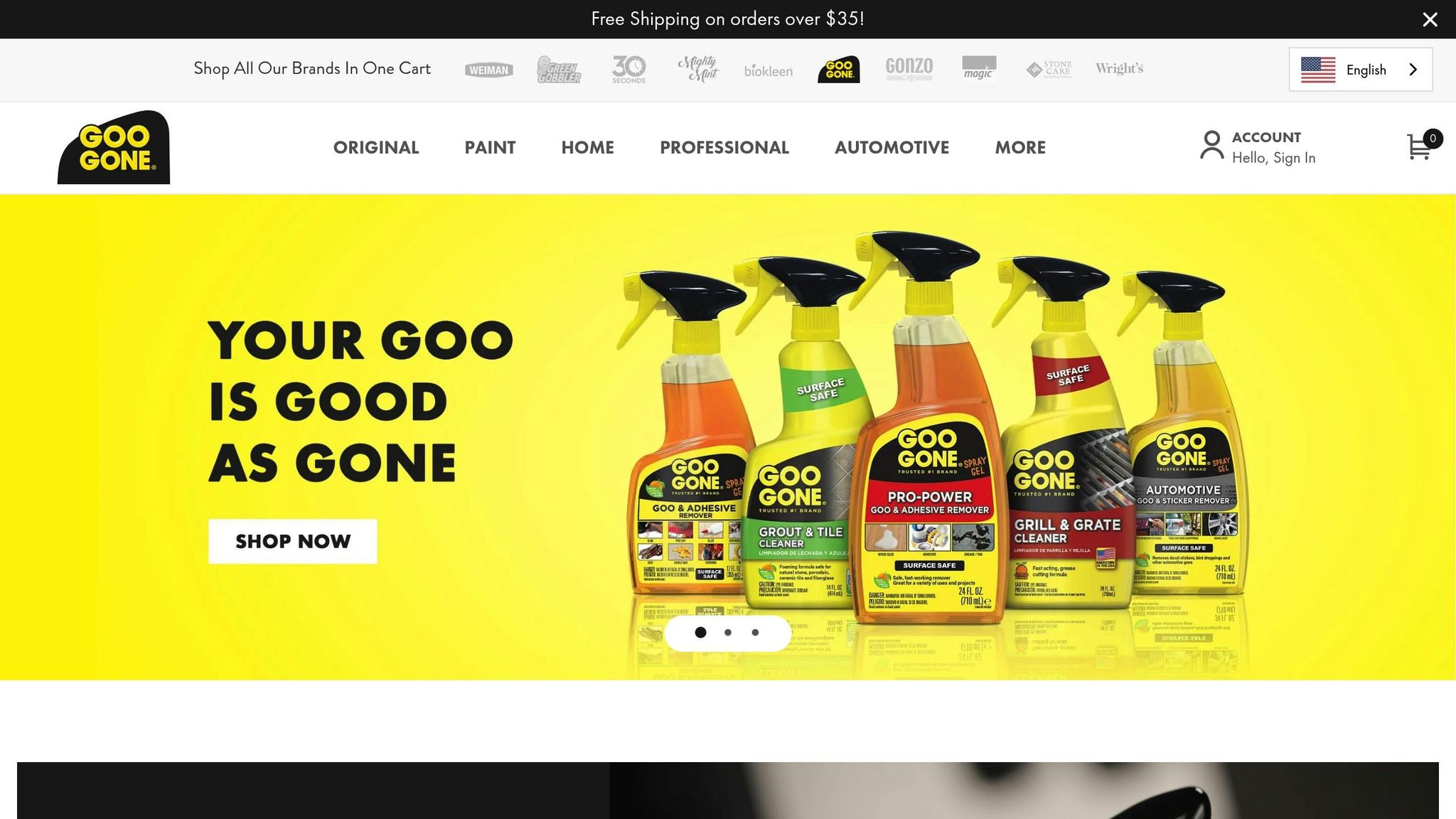
Goo Gone is a go-to solution for removing adhesive residue from the exterior of retro game cartridges. Unlike products designed for internal cleaning, this one is specifically made to tackle sticker remnants and tape marks on cartridge shells. Let’s break down how to use it safely and effectively.
Effectiveness in Cleaning Cartridge Connectors
Goo Gone is not meant for cleaning cartridge connectors. For those, stick to 91% isopropyl alcohol or electrical contact cleaners. Since Goo Gone is petroleum-based, it can leave a residue that interferes with electrical connections or attracts dust to the metal contacts. Many retro gaming enthusiasts have learned this the hard way, facing connectivity problems after using Goo Gone improperly.
Its true strength lies in dissolving adhesives on plastic surfaces, not maintaining or cleaning electrical components.
Safety for Retro Game Cartridges and Labels
When using Goo Gone on cartridge shells, it’s essential to take precautions to avoid damaging labels or artwork. While it’s generally safe for most plastics when used correctly, it should never come into contact with printed labels or artwork. The product can fade or damage certain inks, finishes, or paper if applied directly or left on for too long.
To minimize risk, always test Goo Gone on a small, hidden area first - like the back edge of the cartridge. Apply it sparingly to a clean white cloth (not directly onto the cartridge) and ensure it doesn’t seep into seams or under labels, as this could cause lifting or discoloration.
Ease of Application and Use
Using Goo Gone is simple and doesn’t require any special tools or expertise. Start by peeling off as much of the sticker or tape as you can by hand. Then, apply a small amount of Goo Gone to a clean cloth and gently rub the adhesive residue.
For tougher, stubborn spots, let the product sit for 1–2 minutes before wiping it off with a damp cloth. Be sure to dry the cartridge completely afterward. This final step is crucial - leaving any oily residue can attract dirt and dust, undoing your hard work.
Availability and Affordability
Goo Gone is easy to find at major retailers across the United States, including Walmart, Target, Home Depot, and Amazon. A 4-ounce bottle typically costs between $4.00 and $8.00.
On Amazon, Goo Gone enjoys an impressive 4.7 out of 5-star rating from over 30,000 reviews. Users frequently praise its ability to remove sticker residue, though some note the importance of proper cleanup to avoid any leftover oily film - another reason to thoroughly wipe down surfaces after use.
How to Clean Cartridges Safely
Cleaning retro cartridges requires a delicate touch to prevent damage. Using the wrong methods can ruin labels, warp plastic shells, or permanently corrode metal contacts.
Avoid using acetone, ammonia-based cleaners, or strong solvents on any part of the cartridge. Acetone can strip label ink and damage plastic, while ammonia-based cleaners can corrode brass contacts and degrade the cartridge’s integrity.
Protecting Labels and Artwork
Cartridge labels are especially fragile and prone to damage during cleaning. To protect them, steer clear of liquid cleaners on the label or artwork. When cleaning the plastic shell, opt for a lightly dampened microfiber cloth with 91% isopropyl alcohol, taking care to avoid the label area entirely.
Safe Cleaning Agents and Tools
Stick to 91% isopropyl alcohol and plastic-safe electrical contact cleaners for the best results. These products evaporate quickly, leaving little to no residue, which minimizes the risk of corrosion or water damage. Use gentle tools like cotton swabs with paper shafts, soft-bristled toothbrushes, or melamine sponges (like Magic Erasers). Harsh materials like steel wool or sandpaper should be avoided, as they can scratch surfaces or strip protective coatings. These tools and techniques ensure your cartridges remain in great condition.
Moisture and Drying Precautions
Moisture is a major hazard for cartridge contacts. Water can cause corrosion and leave mineral deposits on metal components. If water is necessary for cleaning the shell, always remove the circuit board first and keep it completely dry. After cleaning, allow 10–15 minutes for drying before reassembling. If water or other liquids are involved, extend drying time to several hours to ensure all moisture has evaporated. Never reassemble or power on a cartridge until it's completely dry to avoid electrical shorts or further damage.
Handling and Application Tips
When cleaning, wear gloves to prevent oils from your skin transferring to the contacts or internal parts. Always handle cartridges by the edges and avoid touching the metal contacts to reduce the risk of static discharge and contamination. Apply your cleaning solution to a cotton swab first, rather than directly onto the cartridge, to prevent liquid from seeping into the circuit board.
Avoiding Residue Problems
Residue left behind by cleaners can attract dust and cause further issues. Avoid using soaps, disinfectants, or dusting sprays, as these often leave sticky or oily residues. Finish your cleaning process with isopropyl alcohol, which evaporates cleanly, and inspect the cartridge for any lingering residue before use.
For collectors, stores like BJ's Game Vault offer specialized cleaning kits and tools designed specifically for retro cartridges, ensuring compatibility and safety for your collection.
And one last tip - don’t blow into cartridges. This old habit introduces moisture and debris, which can lead to long-term damage.
Conclusion
Keeping your retro game cartridges in top shape is straightforward when you have the right tools. Essentials like 91% isopropyl alcohol and a Nintendo Tri-Wing screwdriver form the foundation of effective maintenance.
Using these tools doesn't just clean your cartridges - it helps bring them back to life. For instance, Magic Erasers can carefully remove tough oxidation without scratching the sensitive contacts, while 91% isopropyl alcohol ensures a deep clean without leaving any residue that could attract dirt.
And the best part? It’s affordable. A basic cleaning setup will set you back around $15–$30, with full cleaning kits priced at just $10–$25.
Considering many retro cartridges have stood the test of time for over three decades, proper cleaning can often revive even severely oxidized contacts. Regular upkeep with these tools not only keeps your games playable but also helps maintain their value for years to come.
For collectors looking to go the extra mile, BJ's Game Vault offers specialized cleaning kits and expert advice to ensure your treasured games remain in great condition.
FAQs
What are the dangers of using the wrong cleaning methods on retro game cartridges, and how can I prevent them?
Using the wrong cleaning techniques on retro game cartridges can seriously harm their connectors, reduce their performance, or even make them completely unusable. Harsh chemicals, rough materials, or too much moisture can scratch or corrode the delicate metal pins, leading to poor gameplay or permanent damage.
To keep your cartridges in good shape, stick to safe, non-abrasive tools like cotton swabs, isopropyl alcohol (at least 90%), and soft microfiber cloths. Steer clear of household cleaners and avoid using too much force. Proper care not only keeps your cartridges working but also helps maintain their value over time.
How often should I clean my retro game cartridges to keep them working properly?
Keeping your retro game cartridges in good shape takes a bit of care, but it’s worth it to keep them running smoothly. If you’re using them often, aim to clean them every few months. For cartridges that spend most of their time in storage, a quick cleaning before use should do the trick.
Here’s how to do it right: grab some isopropyl alcohol (at least 90%) and a soft, lint-free cloth. Gently clean the connectors - no need to scrub hard. This simple routine not only helps your games perform better but also keeps them around for years to come.
What are the signs that a game cartridge needs a deep cleaning using professional tools?
If your retro game cartridge is acting up with frequent crashes, loading failures, or glitchy graphics and sound, it might be crying out for a deep clean. Spotting visible dirt or corrosion on the connector pins? That’s another clue it’s time to break out some professional-grade cleaning tools to bring it back to life.
Tools like contact cleaners, anti-static brushes, and lint-free cloths are perfect for tackling stubborn grime and oxidation. Plus, regular cleaning isn’t just about fixing issues - it’s a smart way to prevent long-term damage and keep your cartridges working smoothly for years to come.